

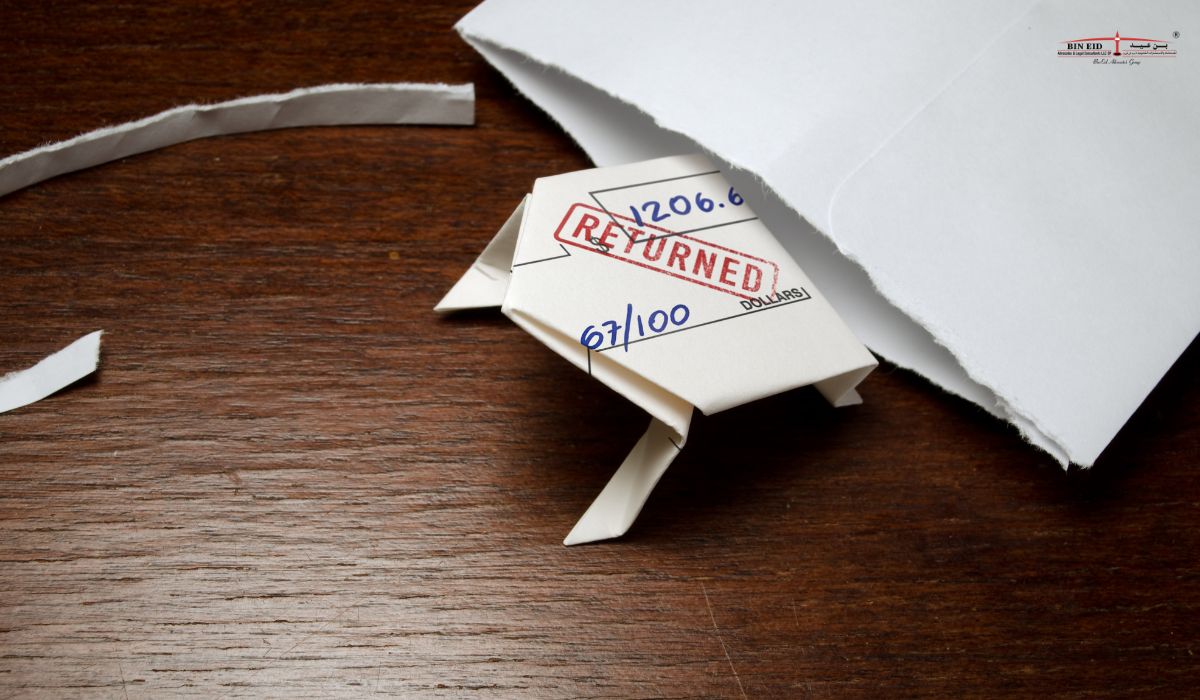
Issuing cheques is a common financial practice, which can seem harmless at first glance. People use it rampantly in the UAE for business transactions, rent payments, or personal obligations. However, if a cheque is returned for any reason, it can result in some serious financial or even legal consequences.
This is why having a thorough understanding of the implications of a bounced cheque is vital for both individuals and businesses. This will help you to avoid legal disputes and penalties under UAE law. Recent legal reforms have remarkably evolved the framework around cheque bounce cases, which makes awareness about them even more important.
In this space, we are going to explain what a bounced cheque is, and find out the UAE laws that govern it. We are also going to look at the legal consequences, civil and criminal action, preventive measures, post-bounce procedures, and the steps you need to take in case you face such an issue.
What is a Bounced Cheque in the UAE?
A bounced cheque in the UAE refers to a cheque that can’t be processed by a bank or financial institution because of varied reasons. This includes insufficient funds, mismatched signatures, or a closed account, among others.
In most cases, it refers to a situation where the issuer of the cheque has failed to make sure that there are adequate funds in their account at the time of encashment. Cheques are extensively used across the country for business transactions, personal payments, or rent, which makes them legally binding instruments.
In the event they are dishonoured, they can trigger financial disputes. Depending on the intent behind the cheque and the situation surrounding the issuance, it may even lead to legal repercussions.
UAE Laws Governing Bounced Cheques
The legal framework governing bounced cheques in the UAE has remarkably evolved over the past several years. Under Federal Decree-Law No. 14 of 2020, most bounced cheque cases are now deemed civil matters rather than criminal offences. This is a major shift in the legal approach to take while dealing with such a situation.
However, if there is fraud, intentional wrongdoing, or bad faith involved, then criminal liability cases can also apply. Banks and financial institutions are required to issue a “return memo” to explain the reason for dishonour. After this, the payee can seek legal remedies through civil courts or enforcement channels, depending on the circumstances.
Legal Consequences of a Bounced Cheque
A bounced cheque can result in various financial and legal consequences. In civil cases, the holder of the cheque can file a lawsuit to recover the owed amount. They can also charge for possible compensation. Courts may order repayment, enforcement proceedings, or asset seizure against the issuer of the cheque.
In more severe cases, which involve deliberate misconduct or fraud, criminal penalties may apply. In addition, the issuer of the cheque can face travel bans, reputational damage, and restrictions on financial transactions. As such, before issuing a cheque, it is paramount to ensure there are sufficient funds in the account during the time of encashment.
Civil vs Criminal Action in Cheque Bounce Cases
Bounced cheques can be handled under either civil law or criminal law in the UAE, depending on the severity of the situation. Civil actions usually involve recovering the cheque amount through enforcement, settlement agreements, or court orders. On the other hand, criminal actions are reserved for cases involving bad faith issuance, fraud, or intent to deceive.

Recent legal reforms have significantly minimised imprisonment cases and focus more on financial recovery instead of punishment. As such, courts are now prioritising compensation and settlement. In many cases, courts can also encourage mediation to resolve disputes before they escalate to full litigation.
Please note that the classification of a case as civil or criminal largely depends on intent, evidence, and the situation under which the cheque was issued.
What Happens After a Cheque Bounces?
Once a cheque bounces, banks in the UAE first of all issue a “return memo”, which describes the reason for the dishonour. The cheque holder is then notified of the situation, and they may attempt to directly recover the amount from the issuer.
In the event the issue remains unresolved, the payee can file a civil case or even initiate enforcement proceedings. In certain cases, legal notices are issued even before court action. To secure payments, authorities are also free to freeze assets or impose restrictions depending on the circumstances.
This process is structured to encourage settlement while ensuring legal protection for both parties. The issuer may also be given an opportunity at this stage to settle the due before any further legal escalation.
How to Avoid Cheque Bounce Issues in the UAE?
Avoiding cheque bounce issues needs clear awareness of banking obligations and meticulous financial management. You need to always make sure that there are sufficient funds in your account before you issue a cheque. This is why you must monitor your account balances regularly.
In addition, try to avoid issuing post-dated cheques without proper financial planning. At the same time, keep clear records of all your financial transactions. Wherever possible, use digital payments to minimise risks.
Maintain regular communication with payees to avoid any misunderstandings. Whether you are issuing a cheque as an individual or a business, you must stay up to date with UAE banking regulations. This will ensure compliance while also helping you avoid unnecessary legal complications arising from dishonoured cheques.
What to Do If Your Cheque Bounces?
If you find out that your cheque has bounced, you need to take immediate action to protect yourself. First of all, you must contact the payee to figure out the situation and explore the settlement options available to you.
Next, you must review your bank account to note the cause of the issue, which can be a technical error or insufficient funds, among others. Try to arrange payment as quickly as possible to avoid any further escalation.
It is also smart to seek legal advice from a reputable law firm in the UAE, especially if a formal complaint has been filed. When you act promptly, it helps lower the chances of penalties and even prevents civil or criminal proceedings. Not to mention, professional legal support also aids in effectively negotiating settlements.
To Conclude
Bounced cheques in the UAE can result in severe financial and legal consequences. However, recent reforms in the country’s legal framework have shifted most cases toward civil resolution. Understanding the law, the potential penalties, and proper procedures is crucial to minimise trouble for both individuals and businesses.
This is why it is important to seek timely legal assistance and manage finances responsibly. These will help in efficiently resolving the issue without any reputational harm or long-term complications.