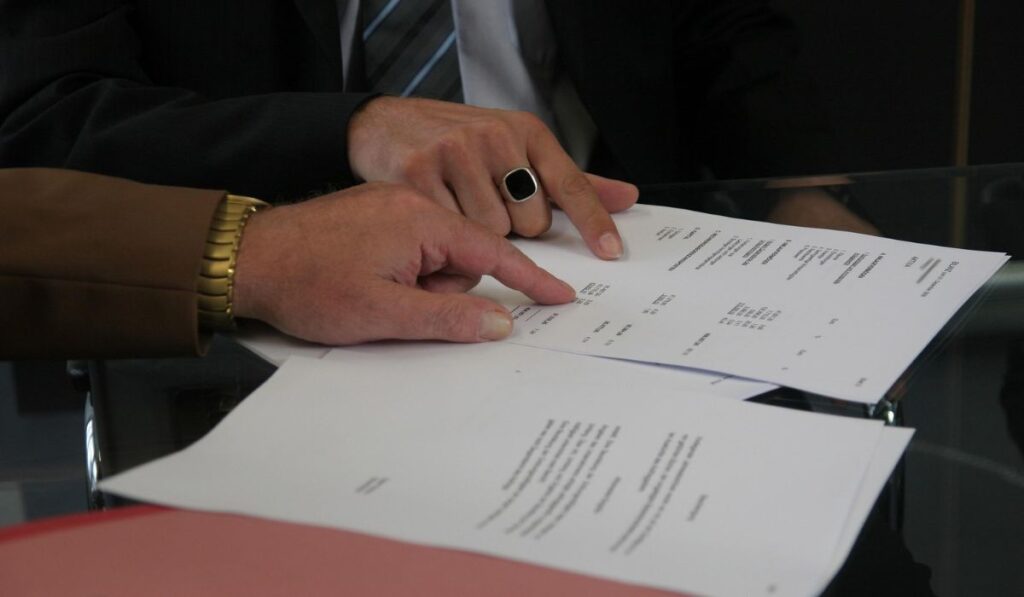



In the event of the absence of Will, the transfer of property after the demise can be time-consuming, costly, and complex. Not having a Will in such events under the UAE Legal system can pose serious complications if there is an infant child left behind and the guardianship of the child is in question. The Sharia Inheritance Law will be followed by default for your property, and your child’s guardianship will be at the discretion of the local judge.
Why should you register a Will in the UAE?
It is extremely crucial to register a Will in UAE to protect your family and your assets. If a deceased expat doesn’t have a Will, the UAE courts will apply the Sharia Inheritance Law over the assets that are left behind. Having a Will makes the process of transferring property easy and ensures that your family and your property are protected and dealt with according to the deceased wishes.
If you don’t have a Will registered you may face certain situations that are uncalled for. Here are some of the things that can happen.
- Frozen Bank Accounts (Single or Joint).
- Cancelled Dependent Visas.
- Frozen/Delayed Investments.
- Arguments in the family for assets distribution.
- Guardianship issues for minors, if any.
How to Make a Will in UAE?
In order to ensure that all the protocols are followed, it is always wise to consult a professional while making a Will in UAE. The Local Government has authorized some professionals with a certificate of recognition in order to allow them to conduct this activity. Before you draw up a Will, it’s recommended to check if the document (Certificate of Recognition) is available.
The documents required to draw up a Will in UAE are as follows:
- Assets in the UAE (with proof of ownership)
- Liabilities of the concerned person
- Proof of residence (e.g. utility bills)
- Passport copies of the entire family
- Other related official documents such as marriage certificates
The next step can be determining how the movable (cash, investments, cars, etc.) and immovable assets would be distributed and who would be the executor of the Will. The assets can include property or funds owned outside the country as well. There is also a section that allows expatriates to make a separate Will for assets outside the country.
In case there are minor children involved, permanent guardianship has to be determined. If the concerned guardian is not present in the country, a separate document is required to allow temporary guardianship of the child to a close friend or relative until probate is granted. It is an essential part of the process in order to protect your family.
After the preparation of the Will, it needs to be
- Translated in Arabic
- Attested by Dubai Courts and Notary
- Attested by the Indian Consulate
Applications must be submitted to the Dubai Courts and the Consulate separately. They can also choose a representative who holds the Power Of Attorney that specifically mentions that he/she has the authority to represent the concerned person. It is also possible to cancel or amend a Will but it will require you to repeat the process.

What happens to the bank account when someone dies?/What happens if the husband dies without a Will in the UAE?
It is understandable that we don’t usually like planning what happens after death. But it is of paramount importance to draft a Will to prepare yourself if there is a mishap, in order to protect your property and family. The Sharia Law Will be applicable if there is no Will registered and this causes a lot of complications especially in cases where the husband dies. This happens because his assets will be frozen and it will only be released on advice by the judge. The bank accounts, joint or otherwise, will also be frozen and his car will be seized. Without a Will, it can cost you your time, patience, and money.
The Sharia Rule states that the bulk of assets will be passed down to the closest male relative of the family. The UAE doesn’t practice the right of survivorship (transferring property to surviving heirs). The assets will only be handed over if there is proof of entitlement (a succession certificate issued by the court of law). So you might want to be prepared to avoid such complex and unnecessary situations.
In case of guardianship of an infant, Article 156 of the Personal Status Law states a woman’s custody of children is terminated if the male child reaches the age of eleven and the female child reaches the age of thirteen unless the court intervenes and decides according to the best interest of the children.
If a father of an infant dies in the UAE and has no Will, then under the Sharia Law the guardianship will go to the closest male relative of the father’s family. The mother of the children would retain custody unless she remarries.
If the mother of the infant dies, the guardianship remains with the father and this would be followed if there’s a close woman relative to take care of the child at home.
In the absence of a Will registered with the DIFC or any specific instructions of the minor’s custody, the UAE Local Authorities can intervene and take care of the child until the court decides otherwise.
What happens if a Non-Muslim dies intestate in the UAE?
When we talk about dying intestate, it means when someone dies without registering a Will. According to the UAE law, if a person dies without registering a Will, the court may follow the Sharia rules in regards to inheritance and the custody of children, if any. In case a Non-Muslim expat dies intestate in the UAE, all his accounts and assets will be frozen. All transactions will be kept on hold before the law interferes and decides on the asset distribution. However, the family can apply for probate to avoid the protocols of the Sharia Law.
If the death takes place in the UAE the legal representative has to show the death certificate before the court along with copies of passport of the legal heirs and proof assets such as the deed of the property, bank details, etc. A formal application is required to obtain the Legal Heir Certificate. Two male witnesses of the same religion are required to vouch for the Legal Heir in the Court of Law upon which the Court will release the Legal Heir Certificate.
In the absence of the Will, all assets will be distributed according to the Sharia Law. According to this law, if the deceased is survived by a mother, father, wife and three children, out of which one of them is a son and two are daughters then the assets will be distributed as follows:
- The wife will receive 1/8th of the assets
- The mother and father will receive 1/6th of the assets
- The remaining will be distributed with the son getting the share of two daughters (the male child receives double than the female child)
This protocol will stand irrespective of the fact that the deceased might have a legal Will in their home country. However, the UAE Personal Affairs Law clearly states that they can opt to follow the law of their home country which means that they can apply for probate in their home country which will allow them to distribute UAE assets according to the Will of the deceased.
How much does it cost to make a Will in Dubai?
In order to draft a Will, you must first register it with a DIFC approved draftsman. The fees of the Court and draftsman are paid separately. The DIFC service offers five types of Wills – A Full Will, Property Will, Guardianship Will, Financial Assets Will, and Business Owners Will.
A Full Will can cost you up to Dh 10,000 that includes all assets as well as guardianship. If you choose to opt for a Mirror Will for husband and wife, this can cost you Dh 15,000. This is a substantial cost to register your Will with the DIFC but this is the only way to ensure that the Sharia Law will not apply to your assets. Chief Executive and Registrar of DIFC Courts, Amna Al Owais, says “The fee is really nothing when you compare it with the importance of what you are trying to protect.”
To draft a Will in professional law firms can cost you between AED 3,000 to AED 5,600.
If someone doesn’t have any assets to protect in the UAE they can draft a guardianship document and get it notarized by the authorities to ensure that the child’s guardianship is in accordance with the wishes of the deceased.
Keeping everything in mind, it is important to keep your family informed about your assets and liabilities and the details of your Will. An informed decision goes a long way to ensure the quality of life. It’s always wise to cater to your family’s interests if something happens to your life.